
A pastoral mentorship program for church leadership pairs pastors with experienced, trusted mentors who offer guidance, accountability and care. These programs are transforming leadership development because they reduce isolation, guard against burnout, sharpen decision-making and prepare churches for healthy succession and lasting ministry.
Most pastors did not enter ministry expecting to feel alone, yet many carry sermons, counselling, staff decisions, budgets and family needs with no one outside the church to talk to honestly. Seminars and conferences still matter, but they rarely offer a wise, steady voice who knows them and has walked a similar road. Mentorship fills that gap and it is becoming a valued part of church consulting and leadership development across the United States. In this article, we explain what pastoral mentorship looks like, why it is gaining ground, its benefits, how it shapes future leaders and what to look for in the right program.
Key Takeaways
● Mentorship gives pastors a confidential space to think, pray and process decisions with someone outside their church.
● Regular mentoring helps leaders recognize early signs of burnout and isolation before they affect family or ministry.
● Churches gain healthier pastors, clearer vision and stronger teams when their leaders keep growing.
● Mentoring prepares emerging leaders for greater responsibility long before a transition arrives.
● The most effective programs combine biblical grounding, consistent meetings and practical leadership guidance.
What a Pastoral Mentorship Program for Church Leadership Really Looks Like
At its core, mentorship is a relationship with structure. A pastor meets regularly with a mentor who has ministry experience and training in pastoral care. The conversations are personal, but they also have clear direction.
Sessions often cover:
● Current challenges in preaching, staff relationships, or church conflict
● Personal spiritual health and prayer life
● Family rhythms and healthy boundaries
● Vision, planning and practical next steps for the church
Unlike a single workshop or conference, mentorship continues over months or even years. That consistency allows trust to grow and trust is what makes honest conversations possible.
Why Churches Are Turning to Mentorship Now
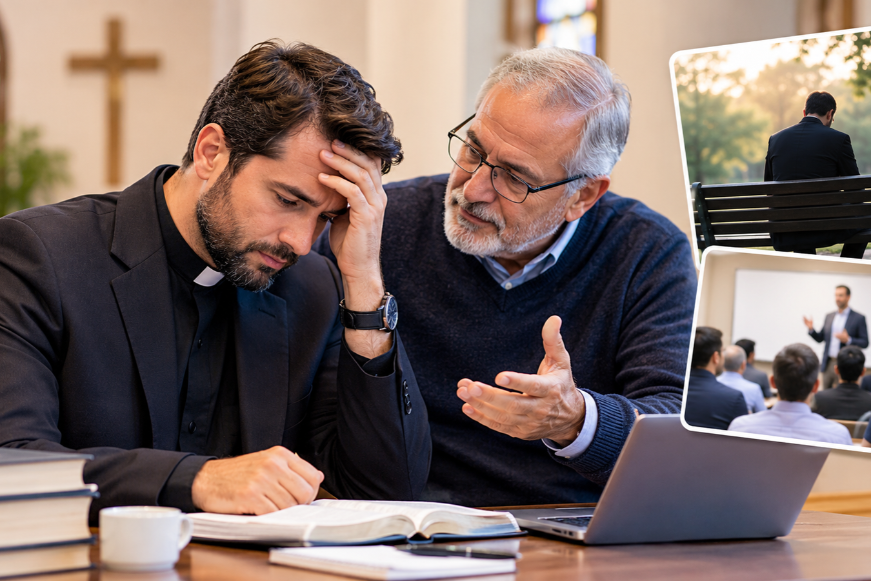
Several shifts in ministry life are leading churches to see mentorship as essential support for pastors, not an optional extra.
Ministry Pressure Has Changed
Pastors today face cultural shifts, changing attendance patterns, online ministry demands and rising expectations from their congregations. Many feel they must be preachers, managers, counselors and communicators all at once.
Isolation Is a Real Risk
Many pastors say they have friends in their congregation but no one they can fully confide in. A mentor outside the church offers a safe place to speak openly without fear of gossip or harm to their reputation.
Classroom Learning Has Limits
Formal leadership training for pastors builds knowledge and that knowledge is valuable. But applying it in real situations, with real people, is where most leaders need support. Mentorship turns learning into practice by giving pastors someone to think through specific decisions with.
Key Pastor Mentoring Benefits for Leaders and Congregations
The value of mentoring reaches far beyond the pastor. When a leader is rested and supported, the whole church feels the difference in worship, teamwork, care and everyday ministry. Here is how these benefits often show up:
| Area | What Mentorship Provides | Impact on the Church |
|---|---|---|
| Personal wellness | A trusted outside voice and regular reflection | Leaders who serve with steadiness rather than exhaustion |
| Decision making | Honest feedback on difficult choices | Wiser responses to conflict and change |
| Spiritual life | Encouragement in prayer and Scripture | Preaching and care that flow from a living faith |
| Family health | Support in setting boundaries | Pastors who stay present at home and in ministry |
| Team leadership | Guidance on staff and volunteer relationships | Stronger collaboration across ministry teams |
Mentoring also brings gentle accountability. Knowing someone will ask how you are really doing encourages pastors to stay honest with themselves, their families and God.
Preparing Next-Generation Church Leaders Through Mentoring
Every church will one day need new leaders. Associate pastors, youth leaders and church planters often step into larger roles with little preparation for the pressure that comes with them.
Mentorship gives emerging leaders a chance to learn from experience rather than from mistakes alone. They see how a mature leader handles criticism, rests well and keeps their calling at the center of their work. The partnership that exists between Paul and Timothy is one of the best examples of biblical relationships where faith and leadership are handed down.
Churches that build this habit early are better prepared for transitions, because their future leaders have already been shaped by wise counsel.
How Mentorship Fits Into Church Consulting and Leadership Development
Consulting often focuses on systems such as strategy, structure and planning. Mentorship focuses on the person leading those systems. The two work best together because good structures need strong leaders to carry them well. A church can have an excellent plan, but if its pastor is depleted, that plan will struggle to take root.
When mentorship is part of a wider approach, it supports ongoing church leadership growth by strengthening both the leader and the direction of the ministry. Pastors gain clarity and churches gain a firmer foundation.
What to Look for in a Mentoring Program
Before committing to a pastoral mentorship program for church leadership, consider these questions:
Is the mentor independent from your church and local ministry network?
Does the program protect confidentiality?
Is the guidance grounded in biblical principles?
Are sessions consistent, such as monthly, rather than occasional?
Does the mentor bring real ministry and pastoral care experience?
Can sessions take place virtually if distance is a factor?
Pastors should leave each session with greater confidence, not added pressure.
Conclusion
Seeking mentorship is not a sign that a pastor is failing. It shows they take their calling seriously. A good mentor offers leaders a place to relax, think and develop, while assisting churches in creating better environments for their future.
As ministry demands continue to shift, churches that invest in their pastors are investing in their own lasting health. At Professional Pastoral Partnership, we provide church consulting and leadership development that walks alongside pastors with biblical guidance, confidential support and practical wisdom, so they can serve faithfully and finish well.
Frequently Asked Questions
What is a pastoral mentorship program?
It is a structured relationship where a pastor meets regularly with an experienced mentor. Together they discuss ministry challenges, spiritual health, leadership decisions and personal wellness in a confidential, supportive setting.
Why do pastors need a mentor?
Pastors carry great responsibility, but have very little safe space in which to voice their challenges. A mentor provides candid input, accountability and support, guiding pastors to make sound choices and avoid burnout and isolation.
What is the difference between mentoring and coaching for pastors?
Coaching normally focuses on particular goals or competencies for a certain period of time. Mentoring, on the other hand, is more holistic and relational, taking care of one’s spirituality, character, and leadership at once.
How often should a pastor meet with a mentor?
Most pastors benefit from meeting once a month. This rhythm allows time to apply what was discussed while keeping the relationship consistent. Some seasons, such as transitions or crises, may call for more.
Can pastoral mentoring be done online?
Yes. Many mentoring sessions now take place through video or phone calls. Virtual meetings make it easier to work with an independent mentor outside your local area while keeping conversations private.
Give Your Pastor the Support They Deserve
Ministry was never meant to be carried alone. Reach out today for confidential mentorship that helps your pastor lead with clarity and thrive.