
How Can Pastors Handle Difficult Conversations With Church Members?
Every pastor eventually faces that email, that request for a meeting, or that tense look after the service that signals a hard conversation is coming. Maybe it's a member unhappy with a decision, a volunteer who needs correction, or a family navigating grief and blame. Learning to hold difficult conversations for pastors with clarity and grace is one of the most tested skills in ministry, and it is one that grows stronger with practice, not avoidance.
If your stomach tightens at the thought of these conversations, you are not alone. Most pastors were never formally trained for this part of the calling, yet it shapes trust, culture, and longevity in ministry more than almost anything else.
Why These Conversations Feel So Heavy
Pastors carry a unique weight in hard conversations. You are not just addressing a workplace issue; you are speaking into someone's spiritual life, their sense of belonging, and often their relationship with God. That combination raises the stakes and the emotion on both sides.
Add to this the fact that many pastors are conflict-avoidant by nature, drawn to ministry because they care deeply about people and dislike causing pain. Ironically, that same tenderness can lead to silence, and silence often allows small issues to grow into resentment or division within a church.
How Pastors Handle Conflict Without Losing Trust
Understanding how pastors handle conflict starts with recognizing that avoiding a hard conversation rarely protects anyone. It usually just delays the discomfort and often makes it worse. Healthy conflict handled early tends to strengthen relationships, while avoided conflict tends to quietly erode them.
The goal is not to win an argument or prove a point. It is to preserve the relationship while still addressing the truth. That balance, honesty paired with care, is what most church members remember long after the specific issue is resolved.
Practical Steps for the Conversation Itself
Preparation changes everything about how a hard conversation goes. A few habits make a noticeable difference.
Get clear on the goal first: Before the conversation happens, know what outcome you are hoping for. Is it understanding, an apology, a boundary, or simply an honest exchange? Clarity here keeps you from getting pulled off course.
Choose the right setting: A private, neutral space works better than a public hallway or right after a service when emotions are already high. Give the conversation room to breathe.
Listen before you explain: Most people want to feel heard before they can hear anything else. Ask questions and let them finish before you respond.
Separate the person from the problem: You can address behavior firmly while still affirming the person's value and place in the church family.
Follow up afterward: A short check-in a week or two later shows that the relationship matters beyond the one hard conversation, and it often prevents old wounds from reopening.
Pastor Conflict Management as a Long-Term Skill
Pastor conflict management is not something you master once and set aside. It is a skill built over years of practice, reflection, and honest feedback. Every difficult conversation you navigate well adds to a growing capacity to lead through tension rather than around it.
This is also where self-awareness matters. Pastors who understand their own conflict style, whether they tend to avoid, accommodate, or confront too quickly, are better equipped to adjust in the moment rather than default to old patterns under stress.
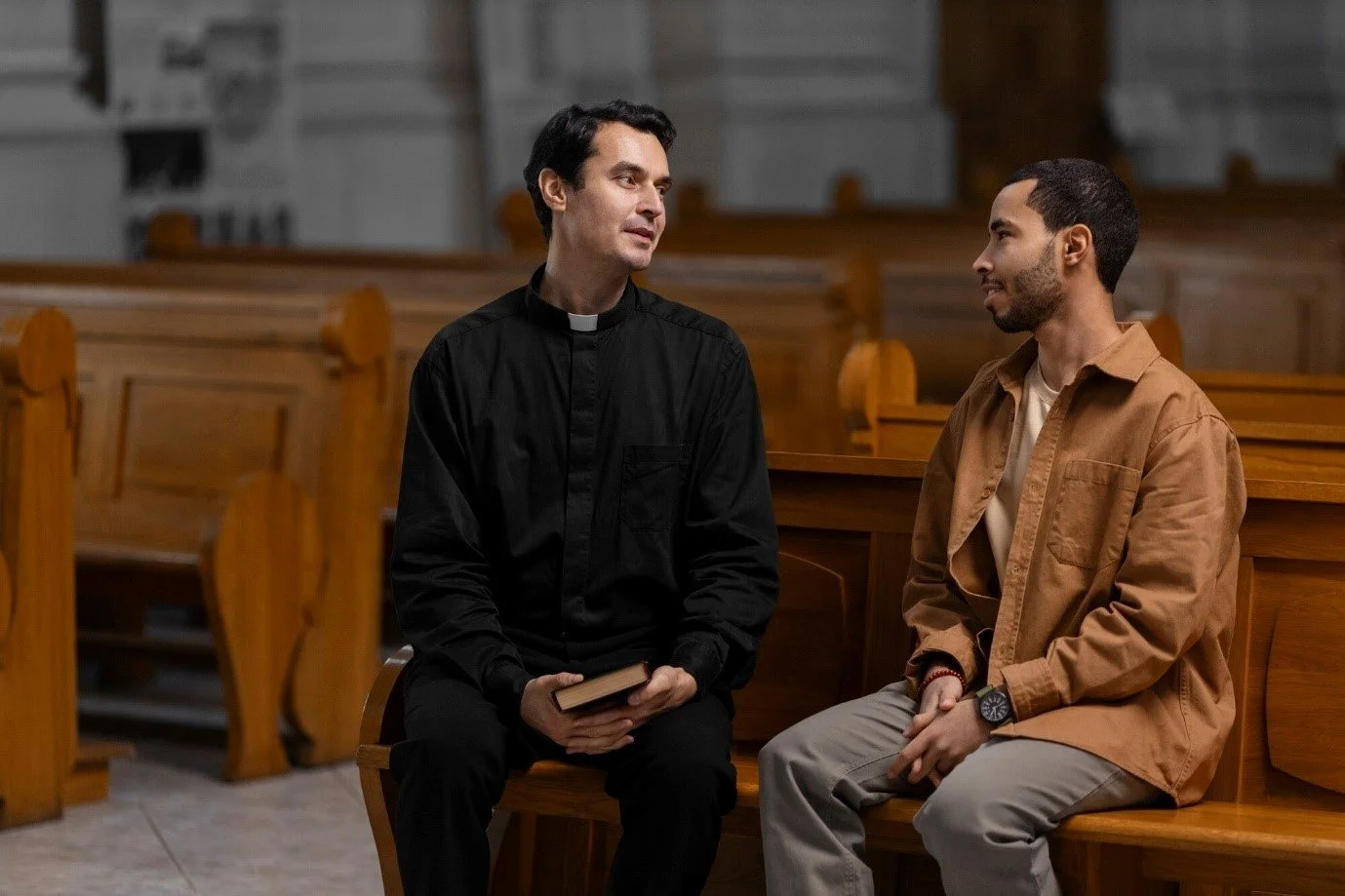
Handling Difficult People in Ministry
Some conversations are harder simply because of who is on the other side. A Christian prayer ministry session involving difficult people requires a different kind of patience than a one-time disagreement. Chronic critics, manipulative behavior, or someone who repeatedly crosses boundaries call for consistent limits rather than endless grace without accountability.
It is possible to remain kind while still being firm. Setting clear expectations, documenting patterns when needed, and involving elders or leadership when a situation is repeated protects both you and the health of the church.
What Healthy Conflict Resolution Looks Like
Good conflict resolution for pastors does not mean avoiding all tension. It means engaging conflict in a way that keeps trust intact rather than letting it quietly erode. A few markers tend to separate healthy resolution from conflict that just fizzles or festers:
● The issue is addressed directly with the person involved, not through gossip or a third party
● Both sides leave the conversation feeling heard, even if they still disagree
● Any agreements made are actually followed through on afterward
● The relationship stays intact even when the original issue does not get fully resolved
● Leadership models the same standard of honesty and respect it expects from everyone else
Churches that see their pastor handle conflict this way tend to trust that pastor more, not less. People remember not whether disagreement happened, but how it was handled.
You Do Not Have to Navigate This Alone
Even experienced pastors benefit from talking through a hard situation with someone outside their local church before stepping into it. An outside perspective can help you separate your own emotions from the actual issue and prepare a clearer, calmer approach.
This is exactly the kind of support Pastoral Partnership offers. Through structured, confidential sessions, pastors get a trusted outside voice to think through difficult conversations before they happen, process the ones that didn't go well, and grow in the kind of steady leadership that builds lasting trust. You were never meant to carry every hard conversation alone.
Frequently Asked Questions
How do I prepare for a difficult conversation with a church member?
Get clear on your goal, choose a private setting, and think through how you will listen before responding. Preparation reduces anxiety and keeps the conversation focused.
What if the church member becomes defensive or angry?
Stay calm and avoid matching their tone. Acknowledge their feelings, restate your intent to work things out, and pause the conversation if needed to revisit later.
Should elders be involved in conflict conversations?
For serious or repeated issues, involving elders or leadership provides accountability and support. For smaller misunderstandings, a direct conversation is often enough.
How do I know if I'm avoiding a conversation I should have?
If the same issue keeps resurfacing or you feel resentment building, that is usually a sign the conversation needs to happen sooner rather than later.
Where can pastors get help improving their conflict skills?
Pastoral coaching and partnership programs offer outside guidance to help pastors prepare for and reflect on difficult conversations with confidence.
